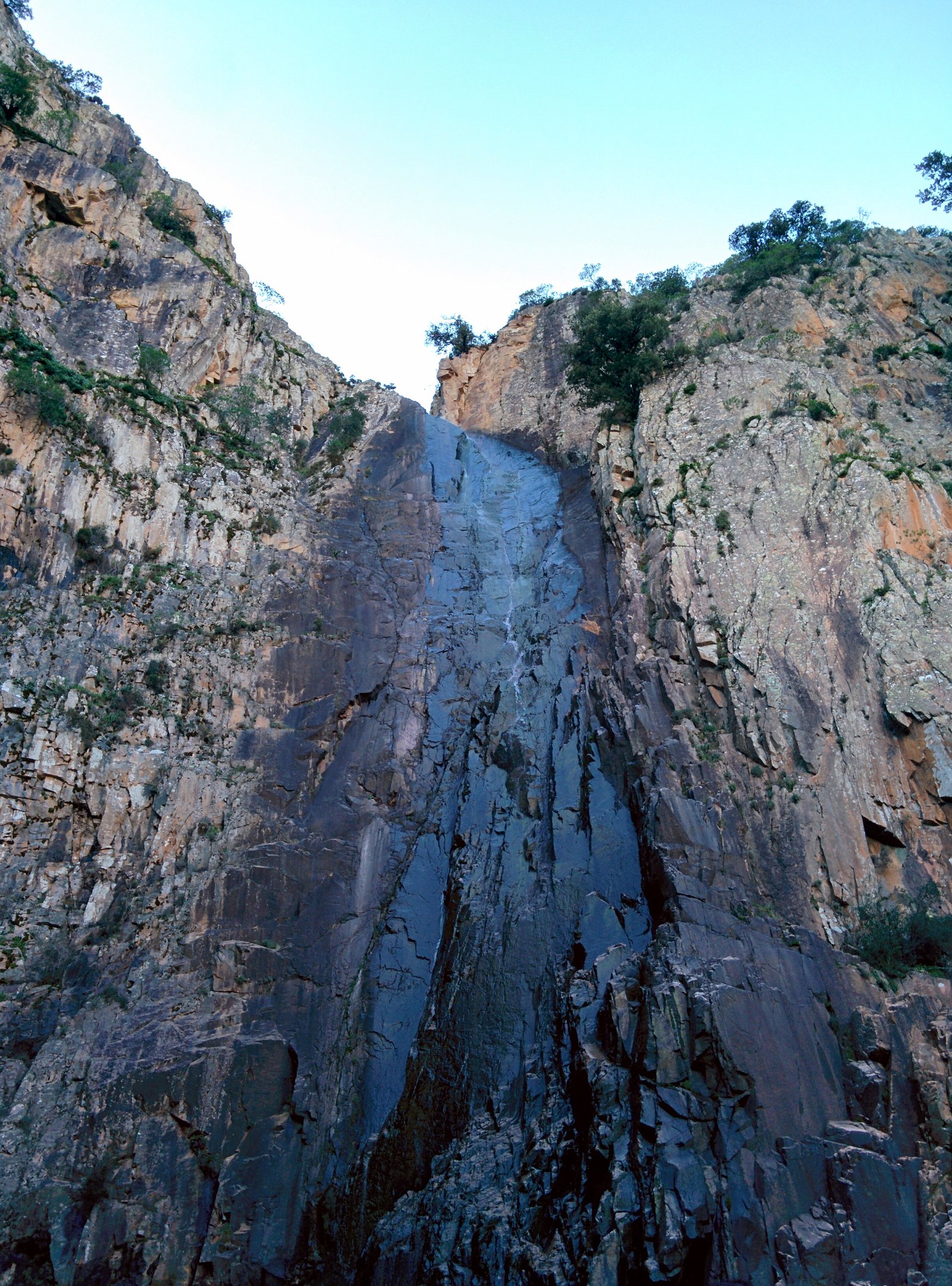
1. Cascata Muru Mannu: Sardinia's Tallest Vertical Cascade
Situated in the wild south-western sector of the Monte Linas massif, Cascata Muru Mannu holds the distinction of being the highest waterfall on the island of Sardinia. Falling seventy-two vertical meters over a massive, amphitheater-shaped granite precipice, Muru Mannu is dramatically wilder and more remote than Sa Spendula.
Unlike Sa Spendula, reaching Muru Mannu requires a dedicated alpine hike. The trail originates at the forestry station of Monti Mannu (accessible via dirt road past Lake Leni). From the trailhead, hikers follow Sentiero CAI 109 and CAI 109A through dense holm oak forests, crossing the gravel bed of Rio Cannisoni several times before ascending the rocky canyon cleft. The return trek takes approximately 4.5 hours and requires sturdy ankle-support boots and trail navigation competence.
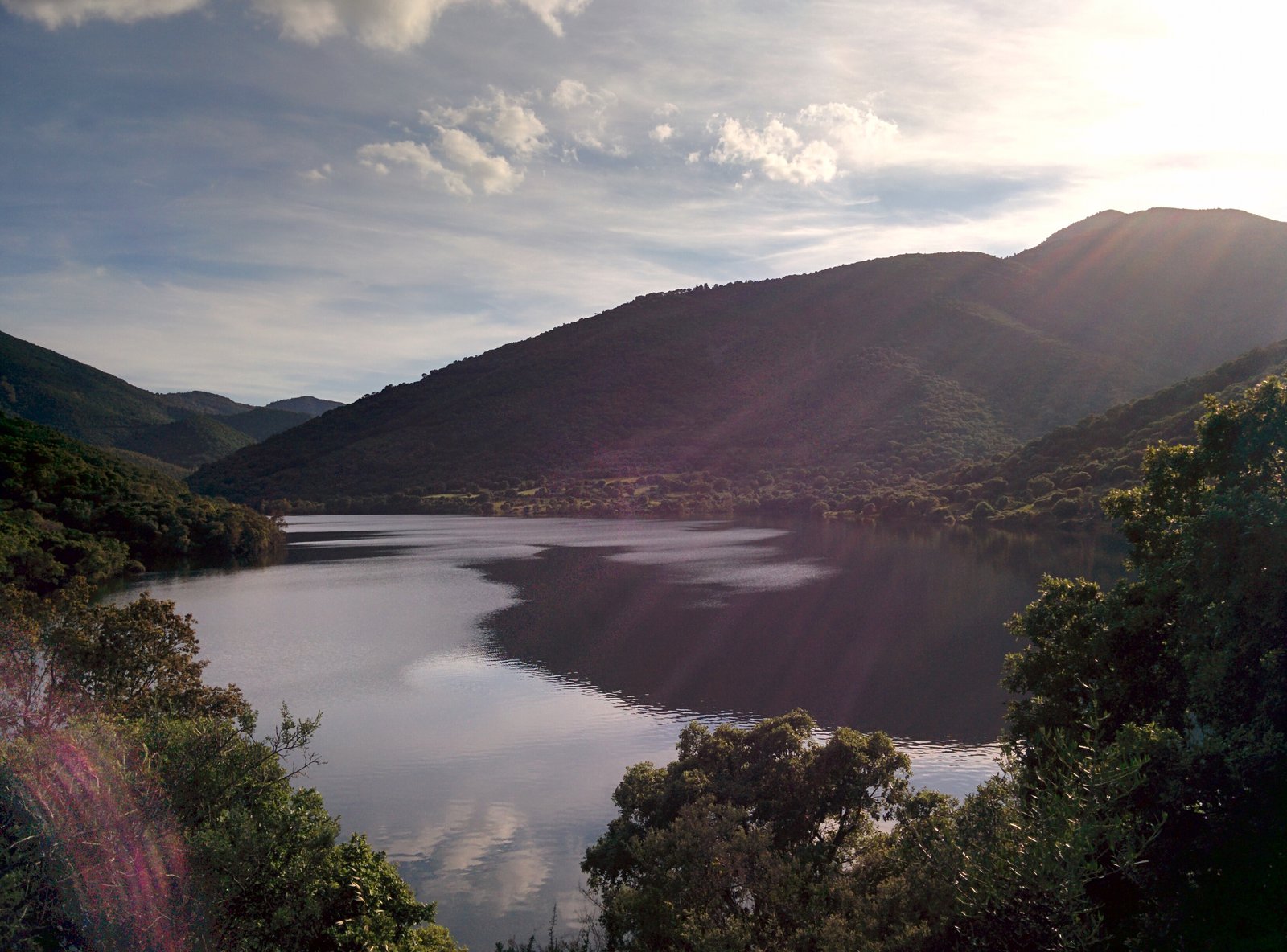
2. Parco di San Sisinnio: Millennial Sacred Olives
Located four kilometres south of Villacidro along the rural road toward San Gavino lies the Parco di San Sisinnio, one of Sardinia's most ancient botanical and spiritual sanctuaries. The park centers around a rural 17th-century sanctuary dedicated to Saint Sisinnius, the beloved patron martyr invoked by local shepherds and mothers for protection against witches (cogas) and maledictions.
What elevates San Sisinnio to international botanical significance is its grove of monumental wild olive trees (Olea europaea var. sylvestris). Several dozen specimens feature gnarled, hollowed trunks exceeding five to seven meters in circumference, with radiocarbon estimates dating their rootstocks to over 800 to 1,200 years old. Walking through this quiet grove in late afternoon sunlight offers a profoundly peaceful, ancient pastoral experience.
3. Historic Villacidro: The 1893 Lavatoio Liberty & Museo Dessì
Known historically as the Città d'Acqua (City of Water) for the numerous springs cascading from the Linas mountains, the village of Villacidro itself features notable architectural heritage:
- Il Lavatoio Pubblico (1893): An exceptional masterpiece of late 19th-century cast-iron Art Nouveau (Stile Liberty) civic engineering. Inaugurated under mayor Giuseppe Dessì, the covered public washhouse features cast-iron columns, glass skylights, and double rows of limestone washing basins supplied by mountain spring water.
- Casa Dessì & Fondazione Giuseppe Dessì: The family estate of Giuseppe Dessì (1909–1977), one of Sardinia's greatest 20th-century novelists and winner of the prestigious Premio Strega for his masterpiece Paese d'Ombre (Shadow Country), which is set directly in Villacidro. The house museum curates Dessì's personal library, original manuscripts, and artistic correspondence.
- Museo Archeologico Villa Leni: Curates prehistoric Nuragic bronzes, obsidian tools from Monte Arci, and Roman coins recovered across the Medio Campidano basin.